









Blog
It was Father’s Day, 2002.
The vision the Lord gave me has marked my life since.
I was at a conference with a room full of Christian leaders — pastors, ministry executives, people who had given their lives to the church. From the outside, it looked like unity. From the inside, if I’m honest, it felt like a lot of people protecting their own turf.
I don’t say that to be critical. I was one of them. We all were. That’s just the water we swam in.
But then something happened that I’ve never been able to fully explain, and have never forgotten.
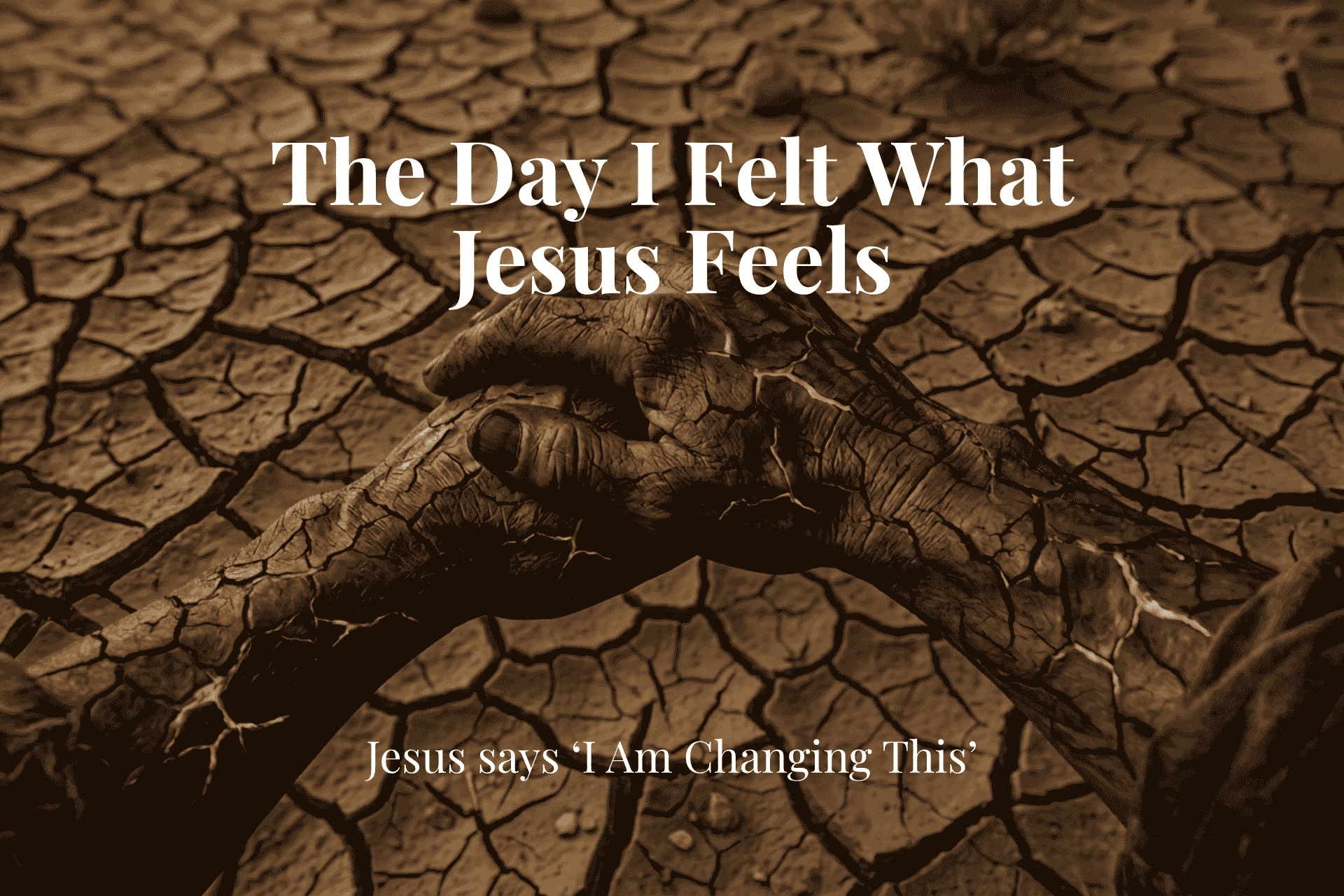
I looked down at my own body and saw that my skin was cracked. Broken apart, not bleeding, not painful, but fractured in deep, unmistakable lines. And before I could even form a question about what I was seeing, I understood. The cracks weren’t mine. They were His. What I was looking at was the body of Christ, divided, fractured by the very people who claimed to love Him most.

I fell to my knees and started weeping.
I experienced the pain that Jesus feels over the division of His body.
I want to be careful here, because I know how that sounds. But it wasn’t my grief. It was His. I was feeling something borrowed: a weight that didn’t originate with me. And what made it so undoing was this: Jesus had prayed in John 17 that His followers would be one, as He and the Father are one. And we weren’t. We aren’t. Leaders building their own kingdoms, denominations guarding their distinctives, the church fractured into ten thousand pieces, and somehow, we’d made peace with all of it.
That day I couldn’t make peace with it.
And then, in the middle of the weeping, I heard three words:
I am changing this.
What I’ve Come to Believe About the Table
That moment didn’t resolve itself neatly. I didn’t walk out of that conference with a five-point plan. But it did plant something in me: a conviction that has only grown since.
I believe the Lord’s Supper is one of the most neglected gifts the church has for experiencing its own unity.
Not performing unity. Not talking about unity.
Actually, experiencing it — at a table, with bread and a cup, remembering together the One who died to make us one.
Here’s what I keep coming back to in Paul’s writing: he doesn’t treat communion as a formality. He says receiving it without discernment is serious, and that to fail to “discern the Lord’s body” is to miss something essential.
And I don’t think he’s only talking about examining your personal sin. I think he’s talking about recognizing whose body you’re part of.
The body is the whole church. The Baptist and the Catholic. The charismatic and the liturgical. The person two pews over who votes differently than you and sings the wrong style of music and holds a theological position you’ve argued about online. One bread. One cup. One body.
When we come to that table, we’re not just doing a religious exercise. We’re actively receiving His life, and whether we acknowledge it or not, we are sitting down with every person who belongs to Him.
I think that’s exactly what He intended.
Why I’m Still Thinking About It
I share this story because it’s the reason behind a lot of what we do.
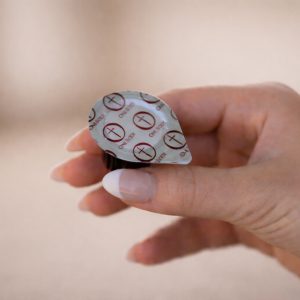
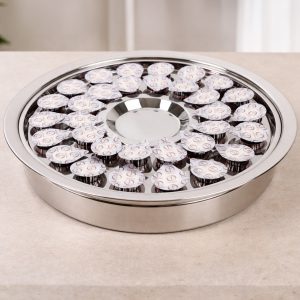
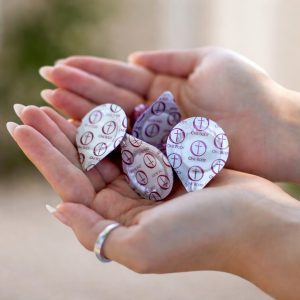
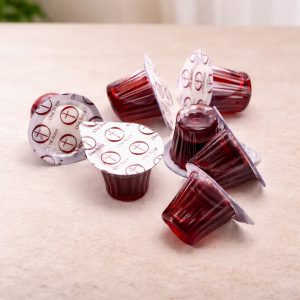
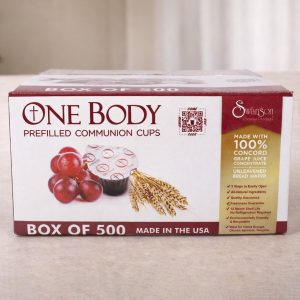
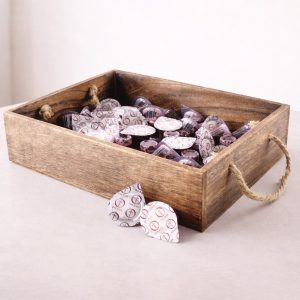
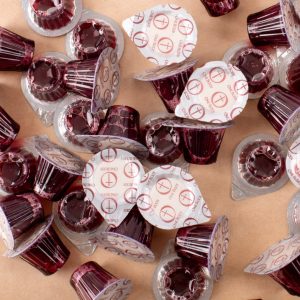
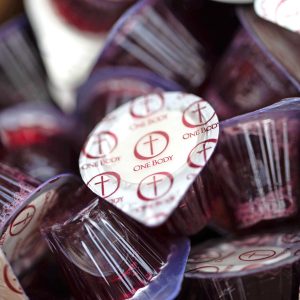
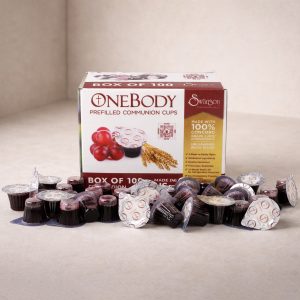
OneBody Communion came out of this conviction, and that the table matters, that the elements we use to remember Him deserve care and intention, and that unity in the body of Christ is worth building toward even when it feels impossibly far away.

But more than any product or website, I share it because I think a lot of people in the church are where I was in that conference room: swimming in division, used to it, not sure there’s another way.
There is another way. And I believe we keep finding it at the table. The One who first broke the bread is still holding out the cup. Still inviting us to discern the body. Still saying
I am changing this.