





Blog
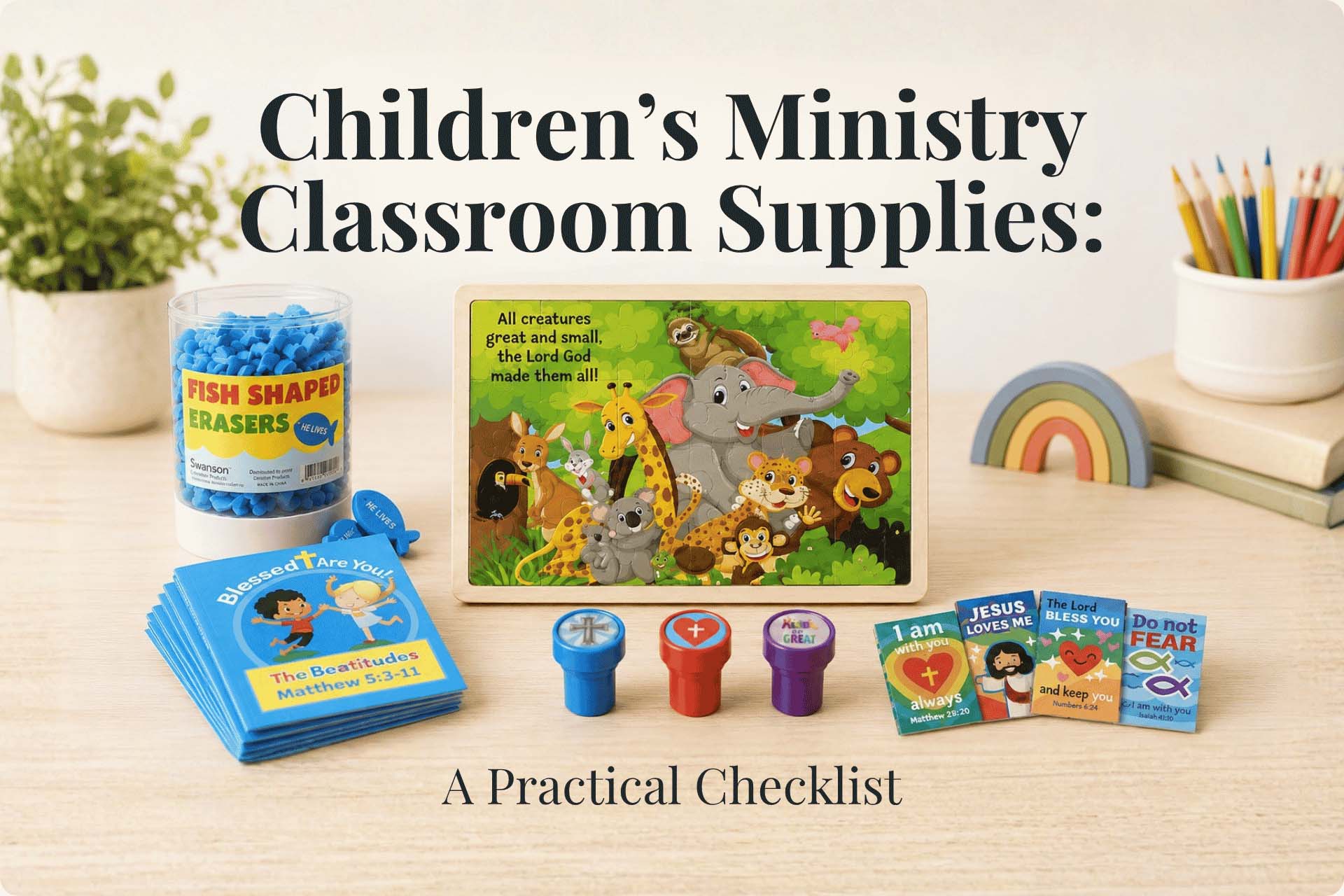
If you’ve ever set up a children’s ministry room from scratch, you know the feeling. You’ve got a space, a handful of volunteers, a lesson plan, and a group of kids about to walk through the door with more energy than the room can hold.
The best children’s ministry leaders are resourceful. They stretch budgets, repurpose materials, and figure out how to make Sunday morning matter for every age and attention span in the room. But even the most resourceful leader needs the right foundation.
Here’s a practical guide to the children’s ministry classroom supplies that actually earn their place, organized by how you’ll use them.
1. Activities for independent time
Most Sunday school classrooms have transition moments. Kids arrive early or stay late. One group finishes before another. Attention spans hit a wall. This is where hands-on, faith-based activities can come in handy.
Activity books are one of the most underused tools in children’s ministry. A good one doesn’t just fill time. It reinforces what kids are learning in a format they can actually engage with. The Beatitudes Activity Book (12-count) walks children through one of Jesus’ most foundational teachings in a way that works for small hands and growing minds. It’s easy to send home, too, so families can keep the conversation going during the week.
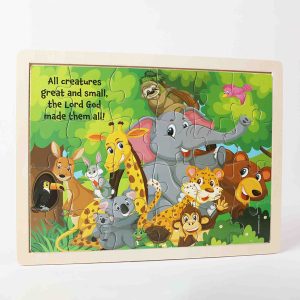
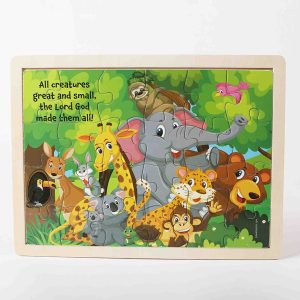
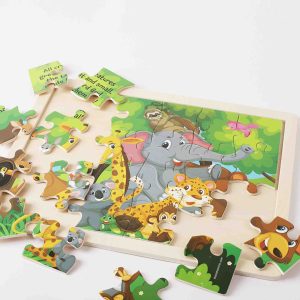
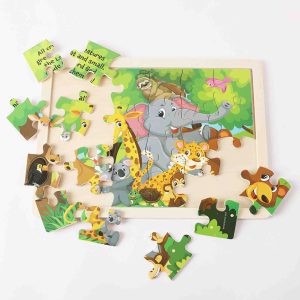
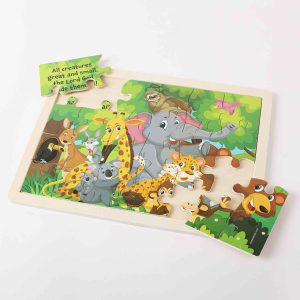
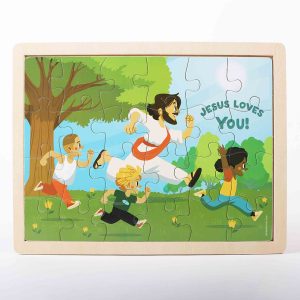
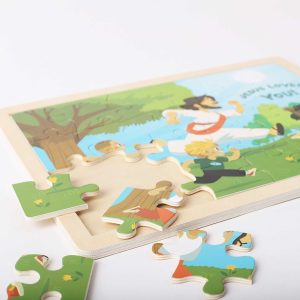
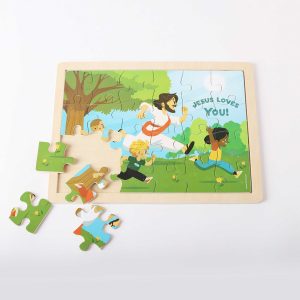
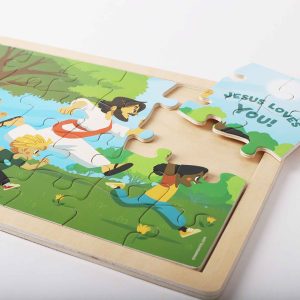
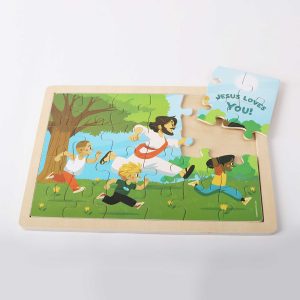
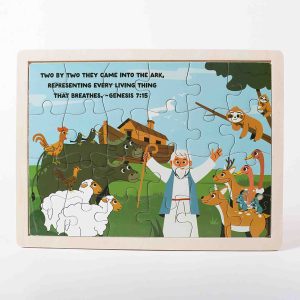
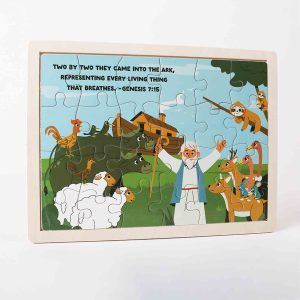
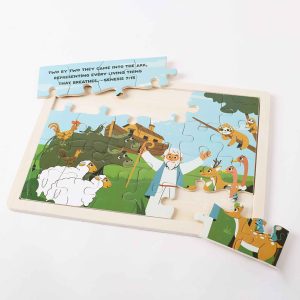
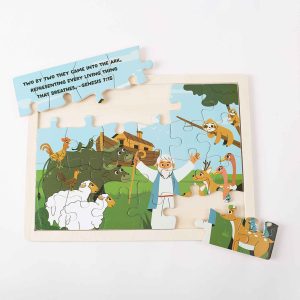
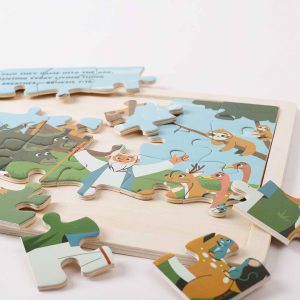
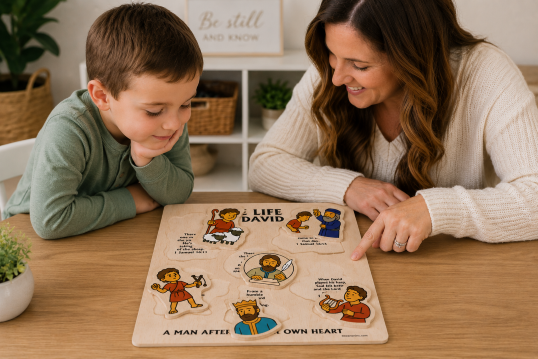
Wooden puzzles are durable, quiet, and endlessly reusable. A good wooden puzzle can hold up for years in a nursery or classroom
Don’t forget to spray or wipe them down after class. We use this brand.
They’re perfect for early arrivers, cool-down periods, or any moment you need kids engaged without adding energy to the room.
2. Faith-based versions of the tools you already buy
You’re already buying pencils, notepads, and stickers. The easy upgrade is choosing versions that reinforce faith while they get used.
Christian pencils and notepads give kids something to write and draw with while carrying a message you can teach from. They’re simple, affordable, and useful every week for things like craft time, writing the weekly memory verse, or just giving restless hands something to do.
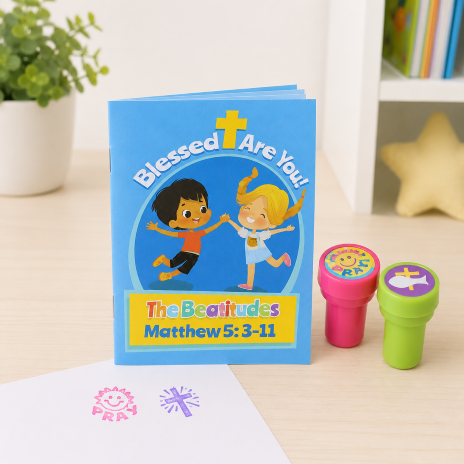
Stickers are more versatile than they get credit for as well. They can work as a reward for trivia after the lesson, a craft element, a way to personalize a notebook, or a small take-home that keeps the lesson going. Faith-themed stickers are the kind of thing teachers reach for every single week.
If you discover the little ones love stickers like our 2 and 3 year old’s at church, you can also try out the sticker story scenes which utilize stickers to help tell bible stories at the same time.
3. Reward gifts that make kids feel seen
Rewards aren’t just behavior management. They’re a way to celebrate participation, mark a moment, and make a child feel noticed.
Candy is the classic for a reason. Jesus Loves You suckers are an easy, affordable option with the message built right into the name. Hand one out at the end of a lesson, use them as a prize for a memory verse game, or set them out at a VBS station.
Soft play balls pull double duty as a game prop, a reward giveaway, or a tool for group activities and icebreakers. They’re lightweight, easy to store, and safe across a wide age range.
Bracelets and small wearables work well for milestone rewards, the kind of thing kids actually keep and wear after they leave the building.
And don’t forget stickers here too. A sticker roll is a great instant reward when a child answers a question right during a lesson recap.
4. Storytelling and teaching tools
Before a child can engage with a concept, they need to picture it. Visual and tactile tools bridge that gap, especially for younger kids who aren’t reading yet.
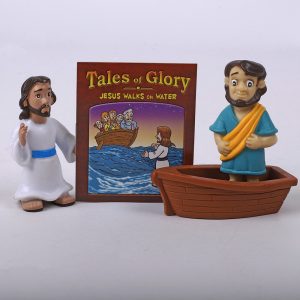
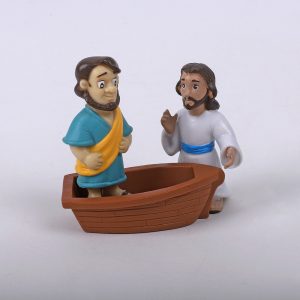
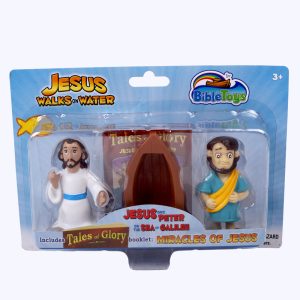
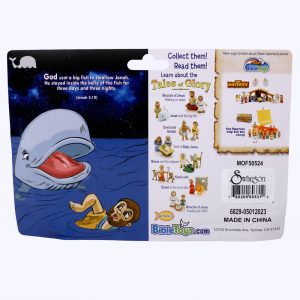
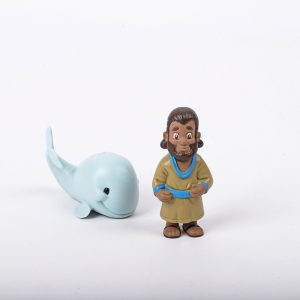
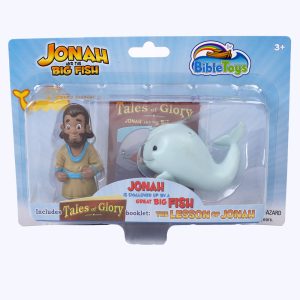
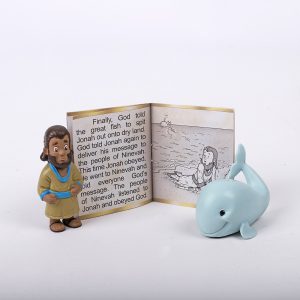
Illustrated Bible story cards and picture books give teachers a visual anchor for any lesson. Bible puzzles and toys let kids work through a story with their hands, which helps it stick. Flannel boards and toy character sets let kids retell a story themselves, one of the most effective ways to help them remember it. Puppets are surprisingly effective even with older elementary kids. They lower the stakes, invite imagination, and give children a character to follow through a lesson.
5. Classroom environment
Kids read the room before they read anything else. A space that feels intentional tells them they belong there, that someone thought about them before they walked in. Plus a space volunteers feel supported is critical.
Bible verse signs and posters create a consistent visual backdrop for learning. Rotate them seasonally or around your curriculum theme to keep the room feeling fresh. Themed wall art tied to your current series gives kids something to look at and talk about before the lesson even starts.
Soft organizer bins are a great option to make clean up easy for volunteer staff as well.
Here are some great options:
- SpaceAid Toy Storage
- EXPERLAM Kids Toy Storage Organizer
- Modanais Kids Toy Organizers and Storage Bins
- Primary Collection Natural/Primary Kids Storage Toy Organizer
6. Parent-facing resources
The children’s ministry leader’s forgotten audience is often the parents. Kids experience the lesson in the room, but parents shape whether it takes root at home.
Newsletters, family guides, and simple follow-up sheets bridge that gap. When a parent knows what their child learned and has an easy way to follow up, the lesson gets reinforced where it matters most.
7. Worship tools for kids
Worship isn’t just for adults, and it doesn’t have to look like a grown-up service to mean something. Kids engage with worship through movement, sound, and participation.
Tambourines, shakers, and simple rhythm instruments give kids a physical way to join in. They work especially well with younger kids who can’t read song lyrics yet but can clap, shake, and move with the music. Handing a child an instrument turns them from an observer into a participant.
A note on budget
Children’s ministry budgets are almost always tight. A few principles that help:
- Buy durable where it counts. Wooden puzzles, reusable craft tools, and good organizational bins cost more upfront but outlast the cheap versions by years.
- Buy in bulk where it makes sense. Candy, stickers, pencils, and take-home materials are all better bought in quantity.
- Prioritize what your volunteers will actually reach for. The most effective supplies are the ones that are easy to grab without planning. If something takes too much setup, it won’t get used.
Running or volunteering with a children’s ministry is one of the most important and least appreciated roles in a local church. The right children’s ministry classroom supplies won’t replace good teaching or invested volunteers. But they make the work easier, more consistent, and more effective.
SKU: 20223
SKU: 52492
SKU: 52493
SKU: 52494
SKU: 60333
SKU: 60377
SKU: 60331
SKU: 52548